Explore our network of country and industry based websites to access localized information, product offerings, and business services across our group.

Access reliable chemical market information through our update channels.
Real-time Updates
Daily Updates
Log in to start sending quotation requests for any product.
Don't have an account? Sign Up Here
Log in now to access technical product documents from our product range.
Don't have an account? Sign Up Here
Home All Products Trisodium Citrate Anhydrous - Thailand
|
IUPAC Name |
: Trisodium-2-hydroxypropane-1,2,3-tricarboxylate |
|
Cas Number |
: 68-04-2 |
|
HS Code |
: 2918.15.00 |
|
Formula |
: Na3C6H5O7 |
|
Appearance Name |
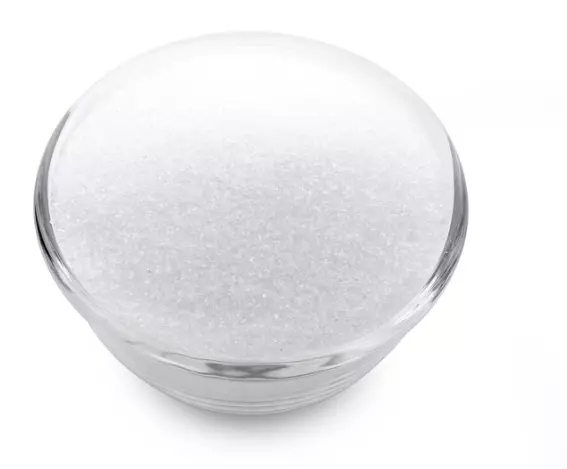
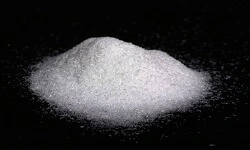
: White Crystalline Powder |
|
Common Names |
: Sodium Citrate, TCA |
|
Packaging |
: 25 Kg Bag |
For more detailed information including pricing, customization, and shipping:
Brief Overview
Trisodium citrate anhydrous, also known as sodium citrate, is an inorganic compound represented by the chemical formula Na3C6H5O7. It possesses a saline taste and a mildly tart flavor, often referred to as "sour salt." As the natural tribasic salt of citric acid, its IUPAC name is trisodium;2-hydroxypropane-1,2,3-tricarboxylate. This anhydrous form of trisodium citrate is observed in the form of white, granular crystals or a white, crystalline powder. It exhibits complete solubility in water and is nearly insoluble in ethanol (96%). As a non-toxic and neutral salt with low reactivity, it remains chemically stable when stored at room temperature. Trisodium citrate anhydrous is fully biodegradable and can be disposed of through regular waste or sewage channels
Manufacturing Process
The production of trisodium citrate anhydrous involves dehydrating trisodium citrate dihydrate. This dehydration process eliminates water molecules while preserving the initial crystal matrix. The outcome is the creation of crystals characterized by a porous matrix, enabling them to serve as carriers for both organic and inorganic substances, making them suitable for various applications, including perfumes.
Food Industry
Trisodium citrate anhydrous is predominantly employed as a food additive to enhance flavor and serve as a preservative. Its widespread application as a flavoring agent is evident in club sodas, ready-to-drink beverages, and drink mixes. Additionally, it functions as a buffer, contributing to the regulation of acidity and the prevention of pH fluctuations in various food products like gelatin desserts and milk.
Medical Industry
Trisodium citrate anhydrous finds application as an anticoagulant in blood transfusions, blood collection tubes, and the preservation of blood stored in blood banks. Additionally, it serves as an osmotic laxative and antacid. Its versatile uses extend to alleviating discomfort in urinary tract infections and mitigating acidosis in distal renal tubular acidosis.
Other Applications
Trisodium citrate anhydrous is employed in boiler descaling to efficiently eliminate carbonate scale from boilers without the need for removal during operation. It is also utilized in cleaning automobile radiators.



 English

 Indonesian
 简体字
简体字
 العربية
 Español
 Français
 Português
 日本語
日本語
 한국어
한국어
 Tiếng Việt