Explore our network of country and industry based websites to access localized information, product offerings, and business services across our group.

Access reliable chemical market information through our update channels.
Real-time Updates
Daily Updates
Log in to start sending quotation requests for any product.
Don't have an account? Sign Up Here
Log in now to access technical product documents from our product range.
Don't have an account? Sign Up Here
Home All Products Dextrin
|
IUPAC Name |
: (3R,4S,5S,6R)-2-[(2R,3S,4R,5R)-4,5-dihydroxy-2-(hydroxymethyl)-6-[(2R,3S,4R,5R,6S)-4,5,6-trihydroxy-2-(hydroxymethyl)oxan-3-yl]oxyoxan-3-yl]oxy-6-(hydroxymethyl)oxane-3,4,5-triol |
|
Cas Number |
: 9004-53-9 |
|
HS Code |
: 3505.10.10 |
|
Formula |
: C18H32O16 |
|
Appearance Name |
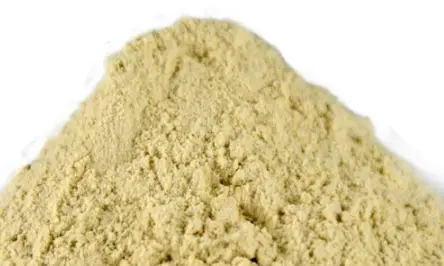
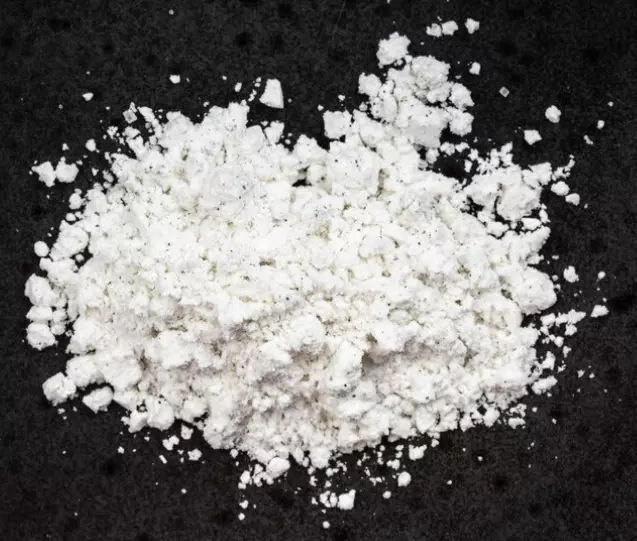
: White to yellow-white powder |
|
Common Names |
: Dextrin |
|
Packaging |
: 25 Kg Bag |
For more detailed information including pricing, customization, and shipping:
Dextrins are a group of low-molecular-weight carbohydrates produced by the hydrolysis of starch or glycogen. Dextrins are mixtures of polymers of D-glucose units linked by glycosidic bonds. Dextrin is usually defined as a soluble gummy substance formed from starch by the treatment of heat, acid, or fermentation. Dextrin is used mainly as a thickening agent, as mucilage, and as a substitute for gum arabic and other natural substances due to its dextrorotatory properties.
Dextrin is produced from starch that has been broken into smaller segments. In water, dextrins form gluey, cloudy, and viscous masses. Dextrins are produced by hydrolysis on starches using enzymes like amylases, similar to digestion in humans and during malting and mashing or by applying dry heat under acidic conditions (pyrolysis or roasting). The latter process is used industrially and occurs on the bread's surface during the baking process, which contributes to its flavor, color, and crispness. Dextrin produced by heat is also known as pyrodextrin.
Dextrin is useful for food manufacturing as a substitute for fat. Due to its gluey texture, dextrin can mimic fat while contributing fewer calories to a product. It is also less expensive and will not spoil like fat.
As dextrins do not easily react with chemicals, they are specifically suitable for applications in the textile industry. In textile printing, they are used as a thickener. Higher-grade starch, which is free of grit and other impurities, ensures that the copper rolls used in printing do not suffer from abrasion.
Dextrin is used to make many types of glue and adhesives, including glue and paste, for children’s use as it is non-toxic if consumed. The adhesive industry uses a large amount of yellow dextrin to prepare liquid and dry adhesives.
Dextrin is used in dry distemper where 5 - 10% of dextrin, mixed with chalk and pigment, acts as a carrier and impacts good adhesion of the color of the wall. It is used in the dyestuff industries as diluents to standardize the dye concerning the range of color. Dextrin washes out quickly and easily and does not react with chemicals used in the process. It is also used as an additive in froth flotation in the mining industry.



 English

 Indonesian
 简体字
简体字
 العربية
 Español
 Français
 Português
 日本語
日本語
 한국어
한국어
 Tiếng Việt




















---brazil.webp)